Garbage Area Solutions

Lake Eco-friendly Remediation
Garbage Area

Odors Signal Deeper Trouble

Garbage area solutions are crucial because garbage chutes, skips, and waste rooms often trap organic matter, grease, and residues that release harmful gases like hydrogen sulfide (H₂S) and ammonia (NH₃). These odors signal deeper contamination that risks health and attracts pests.


Traditional chemical cleaning or pressure jets leave residue behind, damage surfaces, and fail to treat the source. Over time, waste seeps into concrete and plastic, leading to regulatory issues, rising maintenance costs, and unsafe conditions.

VOCs Escape, Smells Return

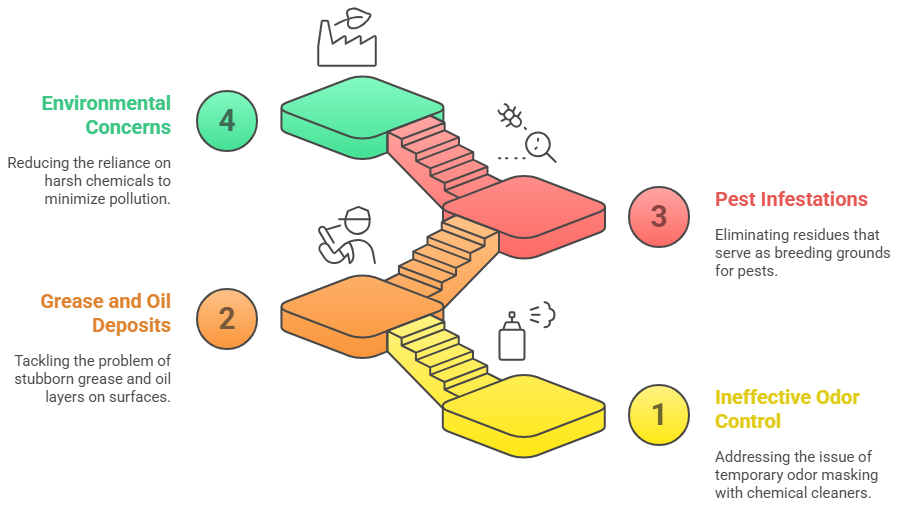
Traditional cleaning methods in waste areas offer only short-term relief, leaving behind residues that fuel odors, grease buildup, and pest infestations. Chemical sprays may mask smells but don’t neutralize harmful VOCs. Grease hardens on chute walls, forcing abrasive scrubbing that damages surfaces. As organic waste lingers, it attracts pests and bacteria. This ongoing cycle of ineffective cleaning leads to hygiene issues, complaints from tenants or residents, and ultimately harms the reputation of the property.

Bio Catalyst Garbage Area Facilities Management Challenges
Solutions

Safer Spaces, Cleaner Air

Eco-Cat and Ecosystem Plus are Bio-Catalyst products designed to deliver a sustainable and highly effective solution for waste area cleaning. They neutralize odors at the source by breaking down hydrogen sulfide and ammonia molecules instead of masking them. Their nano-sized bubbles penetrate porous surfaces to lift grease and organic residues, reducing manual scrubbing by up to 50%. By removing the food sources pests rely on, they interrupt breeding cycles and lower infestations. These non-toxic, biodegradable formulations meet EPA and USDA standards, lowering maintenance costs and improving hygiene across facilities including hotels, commercial buildings, and municipal systems.

Bio Catalyst Garbage Area Facilities Management Solutions
Bio Catalyst Garbage Area Odor Elimination

Frequently Asked Question:

Odors in waste zones are primarily caused by volatile gases like hydrogen sulfide and ammonia, released as organic matter decomposes. These gases linger in the air and absorb into porous surfaces, making the smells persist even after routine cleaning. Standard cleaners often mask odors temporarily instead of breaking down the odor-causing compounds at their source.

The system works by breaking the molecular structure of odor-causing compounds like hydrogen sulfide and ammonia. Instead of simply covering up the smell, it chemically neutralizes these gases, rendering them inert. This results in long-lasting odor control even in high-load waste areas such as refuse rooms, garbage chutes, and compactors.

Grease, organic residue, and waste bioaccumulation often bond tightly to surfaces and can penetrate concrete, tiles, or grout. These residues trap moisture and feed bacteria and pests. Traditional cleaning often requires aggressive scrubbing and repeated chemical use. With nano-sized oxygen bubbles, this solution lifts and loosens contaminants at the microscopic level, making surfaces easier to clean and reducing manual scrubbing effort by up to 50%.

Nano-bubbles are ultra-fine gas bubbles that can enter microscopic pores and crevices in surfaces. When applied, they burst and release oxygen, physically lifting grime, grease, and organic particles from surfaces. Their oxidative action disrupts residues that traditional cleaning agents often miss, resulting in a deeper, more sanitary clean—particularly in hard-to-reach or high-traffic zones.

Pests such as flies, cockroaches, and rodents thrive where organic residue and odor attract them. By removing these food sources and eliminating odor cues, this cleaning process disrupts pest breeding cycles. Over time, consistent use can significantly lower pest presence without the need for toxic repellents or traps, making facilities safer and more hygienic.

Yes. The formulation is non-toxic, biodegradable, and compliant with both EPA and USDA safety standards. It contains no harsh chemicals or residues that could compromise indoor air quality or pose risks to food safety. This makes it ideal for use around guests, staff, and sensitive operational environments.

Absolutely. By cutting down on scrubbing time, minimizing chemical use, and reducing pest-related damage or remediation, this solution lowers both labor and material costs. It also extends the lifespan of floor coatings, drains, and ventilation systems by preventing corrosive buildup, leading to long-term savings in maintenance budgets.

Yes. It’s effective on concrete, tile, stainless steel, plastic bins, drains, and other common facility surfaces. Its ability to reach deep into porous materials makes it especially useful in areas prone to residue accumulation and odor retention, ensuring a more thorough clean than surface-only methods.

For high-load zones such as refuse rooms or compactor areas, a daily or every-other-day application is recommended initially. As conditions stabilize and odors diminish, frequency can be reduced to a maintenance schedule—typically two to three times per week—to maintain cleanliness and air quality.

Beyond improved cleaning performance, switching to this system reduces chemical exposure for maintenance staff, enhances environmental sustainability, and aligns your facility with modern hygiene standards. It simplifies compliance with indoor air and sanitation regulations while creating a healthier, more pleasant environment for both employees and guests.

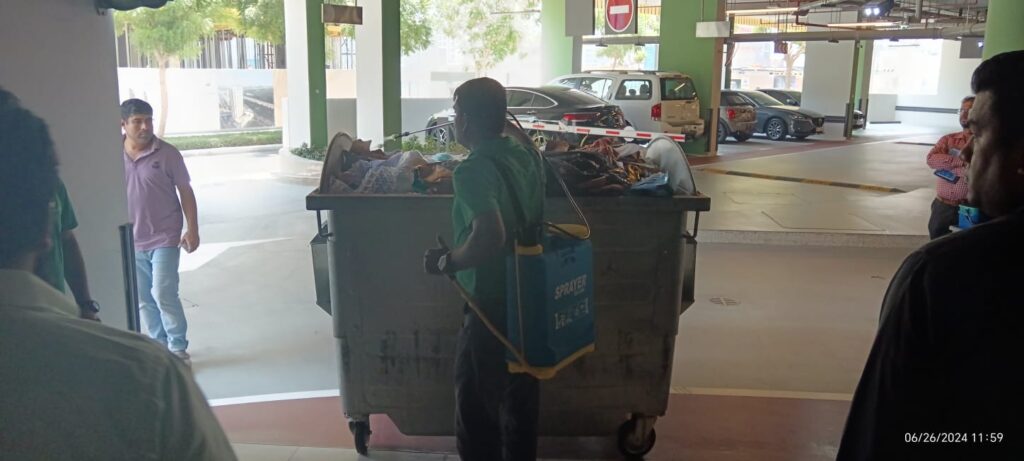
Yes. The solution is compatible with standard spray equipment, mop systems, and foaming tools, making it easy to adopt without investing in new hardware. It streamlines daily routines by reducing the effort needed to clean tough areas, freeing staff to focus on broader cleanliness goals.

Because it is biodegradable, non-toxic, and energy-efficient (requiring less water and effort), this cleaning system aligns with green building certifications and ESG mandates. It reduces chemical runoff, improves air quality, and minimizes the environmental footprint of facility cleaning operations—all while delivering superior hygiene outcomes.

Trusted Clients: